
Palm kernel shell (PKS) is a by-product of the palm oil industry but is fast becoming an important source of feedstock for biomass energy generation. Used traditionally by palm oil mills as a energy source, the demand for mainstream energy generation is growing especially in Japan and South Korea.
PKS’s high energy efficiency and that it’s a renewable waste product created by palm processing residues make it a very attractive souce of biomass fuel. Furthermore, dollar to dollar, PKS is cheaper compare to other source of biomass fuel.
The introduction of subsidy scheme recently years in Japan and South Korea for alternative energy to reduce its dependencies on fossil fuels and nuclear power make it a very potential standout energy source. For these reasons and more, PKS as a fuel and commodity is on the rise in many parts of the world especial in developed East Asian countries like Japan, South Korea and Taiwan.
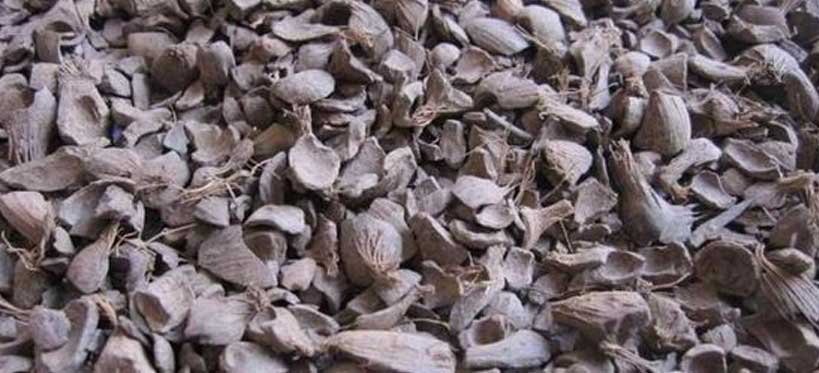
PKS also makes sense from a business perspective. As a by-product of palm oil, they are one of the cheapest bio-energy resources around. Their size distribution is uniform, which makes easy to pack and transport. While the kernel’s palm oil is a well-established first-generation biofuel, in recent years PKS has emerged as a second-generation bioenergy resource with much promise.